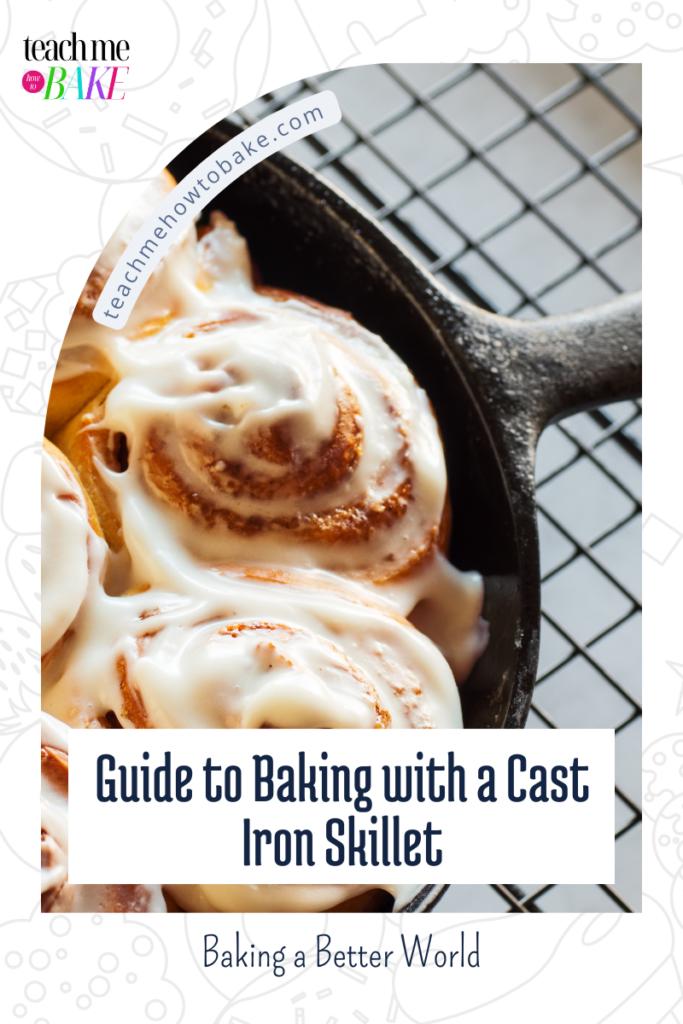
How to Bake with a Cast Iron Skillet
Cast iron skillets have long been hailed for their exceptional stovetop versatility, but their prowess extends beyond the stovetop into the realm of baking. From crafting savory cornbread with a perfect, crispy crust to whipping up gooey skillet cookies, your cast iron skillet can be your ultimate ally in the world of baking. In this extensive guide, we will delve deep into the art of baking with a cast iron skillet, revealing the secrets and techniques that will elevate your culinary creations to new heights.
How to know what recipes will work.

When it comes to baking with a cast iron skillet, your journey begins with choosing the right recipe. Not all recipes are created equal, and your skillet’s unique characteristics, such as even heat distribution and excellent heat retention, call for recipes that can truly harness its potential. Here are some classic cast iron skillet recipes that never fail to impress:
1. Cornbread
Cornbread aficionados know that a cast iron skillet is the go-to choice for baking mouthwatering cornbread with a perfect, crispy crust. The even heat distribution ensures that every slice boasts that coveted golden exterior while maintaining a moist and tender interior.
2. Frittatas
Create delectable frittatas with a beautifully browned top layer by starting on the stovetop and finishing in the oven. The skillet’s ability to transition seamlessly from stovetop to oven makes it a frittata enthusiast’s dream tool.
3. Fruit Cobblers
Baking fruit cobblers in a cast iron skillet results in a dessert that is nothing short of sublime. The skillet’s heat retention capabilities lead to a golden, caramelized topping that perfectly complements the bubbling fruit filling.
4. Deep-Dish Pizza
Achieve a crispy, golden crust for your homemade deep-dish pizza by utilizing a cast iron skillet. The skillet’s ability to maintain high temperatures and even heat distribution ensures that your pizza emerges with a mouthwatering crust that’s crispy on the outside and tender on the inside.
5. Desserts
From fudgy brownies to irresistibly gooey skillet cookies, a cast iron skillet can turn out desserts with a gooey center and a crispy edge that will leave your taste buds in awe. The skillet’s ability to distribute heat evenly ensures that your sweet creations are cooked to perfection.
Preparing the Skillet for Baking

Before embarking on your baking adventure, it’s essential to prepare your cast iron skillet properly. Proper preparation sets the stage for culinary success and ensures that your baked goods release effortlessly from the skillet. Follow these crucial steps:
1. Preheat the Skillet
Just as you would when cooking on the stovetop, preheat your skillet in the oven before baking. Preheating ensures that your baked goods start cooking immediately when placed in the skillet, resulting in even and consistent results.
2. Grease It Well
Depending on your recipe, you may need to grease the skillet with oil, butter, or a cooking spray to prevent sticking. Ensure that you cover the bottom and sides evenly to create a non-stick surface for your creations.
3. Flour or Cornmeal Dusting
For certain recipes like cornbread or pizza, a light dusting of flour or cornmeal on the greased surface can enhance the texture and prevent sticking. This simple step adds an extra layer of flavor and visual appeal to your baked goods.
Mastering Baking Techniques
Baking with a cast iron skillet requires an understanding of some essential techniques that make all the difference in your final results:

1. Even Heating
Cast iron skillets excel in providing even heating, which is perfect for ensuring uniform baking. This eliminates hot spots that can lead to unevenly cooked dishes and ensures that your creations are consistently perfect.
2. Oven Temperature
Follow your recipe’s recommended oven temperature and baking time diligently. It’s important to note that cast iron skillets retain heat exceptionally well, so they can become very hot. Exercise caution when removing them from the oven, using oven mitts or pot holders to protect your hands.
3. Checking Doneness
To determine if your baked goods are ready, use a toothpick, cake tester, or a knife. Insert it into the center of your creation, and if it comes out clean (or with just a few moist crumbs), your dish is perfectly baked and ready to enjoy.
4. Rest Before Serving
After removing your masterpiece from the oven, allow it to rest for a few minutes. This resting period allows the flavors to meld and makes it easier to slice or serve. Your patience will be rewarded with dishes that are both visually stunning and delectable.
Post-Baking Skillet Care
As the baking adventure comes to a close, it’s crucial to attend to your cast iron skillet with care to maintain its longevity and performance:
1. Cool It Down
Allow the skillet to cool down to room temperature naturally. Placing a hot skillet under cold water can cause it to crack, compromising its integrity.
2. Gently Remove Residue
Use a spatula or a soft brush to gently remove any baked-on residue from the skillet’s surface. Be careful not to scratch the seasoning, which is essential for maintaining the skillet’s non-stick properties.
3. Avoid Soaking
Resist the temptation to soak your cast iron skillet. Excessive water exposure can lead to rusting, which is the arch-nemesis of cast iron cookware. If necessary, use minimal water and a gentle touch to clean your skillet.
4. Re-season as Needed
If you notice that your skillet’s seasoning appears compromised after baking, it’s time to re-season it. Follow the seasoning process mentioned earlier in this guide to restore its non-stick surface and bring it back to its full glory.
Baking with a cast iron skillet is a culinary journey that adds a rustic charm to your creations. Whether you’re crafting savory dishes or indulging your sweet tooth, the skillet’s unique properties enhance the texture and flavor of your baked goods. So, the next time you’re in the mood for some homemade goodness, don’t hesitate to reach for your trusty cast iron skillet and embark on a delightful baking adventure. Your taste buds will thank you, and your cast iron skillet will continue to be a treasured kitchen companion for generations to come. Happy baking!
PIN for Later