Tips on how to teach cake decorating classes
As a veteran culinary instructor, I’ve taught cake decorating classes to people ages 3-93 years old. While I have created an entire instructional guide on this topic, I wanted to give you some of the basics of cake decorating classes.
The Foundations of Cake Decorating Education
1. Define Your Niche
Before you embark on your journey of teaching cake decorating, it’s imperative to define your niche. The world of cake decoration is vast, encompassing various styles, techniques, and themes. Identifying your area of expertise will not only set you apart but also attract the right audience.
Whether you specialize in intricate wedding cake designs, whimsical children’s birthday cakes, or avant-garde fondant creations, be clear about your niche. This clarity will help you tailor your classes to a specific target audience, ensuring that your teaching resonates with your students.
Expanding Your Niche
As you consider your niche, think about the specific aspects that set you apart. Are you a master of sugar flowers, or do you excel in creating gravity-defying cake sculptures? Highlight these unique selling points in your marketing materials and course descriptions to attract enthusiasts who share your passion.
2. Curriculum Development
Creating a comprehensive curriculum is the cornerstone of a successful cake decorating class. Your curriculum should be structured, progressive, and cover a wide range of skills and techniques. Here’s a detailed breakdown of what to include:
a. Basics of Cake Decorating
Begin with the fundamentals. Introduce your students to the essential tools and equipment used in cake decorating. Explain the purpose and proper usage of items such as spatulas, cake turntables, and piping bags. Teach them the importance of cake preparation and leveling techniques to create a solid foundation.
b. Piping and Borders
Move on to the art of piping. Guide your students through mastering various piping designs, from intricate lacework to elegant scrollwork. Show them how to create mesmerizing borders and patterns that elevate their cake designs to the next level.
c. Fondant Work
Fondant is a versatile medium that allows for intricate cake decoration. Teach your students the art of rolling, covering, and smoothing fondant to achieve a flawless finish. Show them how to sculpt fondant decorations and figurines, unlocking the potential for endless creativity in their cake designs.
d. Advanced Techniques
For those eager to explore further, delve into advanced techniques. Explore the world of 3D cake sculpting and carving, where students can craft cakes that resemble anything from beloved characters to iconic landmarks. Introduce them to airbrushing and edible painting, allowing for breathtaking color and texture variations. And don’t forget to teach the delicate art of sugar flower crafting, where realism and precision shine.
e. Troubleshooting
Cake decorating comes with its share of challenges. Equip your students with the knowledge and skills to identify and overcome common issues. From cracked fondant to piping mishaps, knowing how to troubleshoot can save a cake decorator’s day.
Tailoring Your Curriculum
Consider offering different levels of classes to cater to both beginners and those with some prior experience. This flexibility ensures that your teaching accommodates various skill levels and provides room for growth and advancement.
Equipping Your Cake Decorating Classroom
3. Materials and Tools
A well-equipped workspace is essential for your students to practice effectively. Ensure you have the following in place:
Basic Tools
Provide an array of essential tools, including rolling pins, spatulas, cake turntables, and piping bags. These items are the building blocks of cake decoration and should be readily accessible to your students.
Quality Ingredients
Quality matters in cake decorating. Use high-quality ingredients for your demonstrations and practice sessions. Explain the difference that premium ingredients can make in the taste and texture of the final product.
Safety Measures
Safety should never be overlooked. Emphasize safety protocols when using sharp tools, handling hot sugar, or working with food coloring. Your students’ well-being is paramount.
Offering Supplies
Consider having extra supplies available for purchase or rental. This convenience not only enhances the learning experience but also serves as an additional revenue stream for your cake decorating classes.
Crafting Engaging Learning Content
4. Create Engaging Content
Incorporate multimedia elements into your teaching materials to enhance the learning experience. High-resolution images and videos can provide clear visual instructions that complement your verbal explanations. Consider developing a detailed course manual or providing online resources for your students to refer back to when practicing at home.
Visual Learning Aids
Use visual aids like charts, diagrams, and slide presentations to illustrate key concepts. Visual learners, in particular, will benefit from these tools, as they enhance comprehension and retention.
Hands-On Practice
Hands-on practice is the heart of cake decorating education. Encourage your students to replicate what they’ve learned under your guidance. The tactile experience of working with icing and fondant is invaluable in cementing their newfound skills.
Effective Communication in Cake Decorating Classes
5. Effective Communication
Being a skilled decorator is one thing; being an effective communicator is another. Effective communication is the bridge that connects your expertise with your students. Here are some essential tips:
Clear Instructions
Provide step-by-step guidance with concise explanations. Break down complex techniques into manageable steps, ensuring that each student can follow along and replicate your actions.
Encourage Questions
Create an open and encouraging environment for questions and discussion. Be patient and attentive when addressing queries, as each student’s learning pace may vary.
Hands-On Demonstrations
Show your techniques up close and in real-time. Use a camera or projection system to ensure that everyone can see the intricate details of your decorating process. This visual clarity aids in comprehension.
Constructive Feedback
Offer constructive feedback to your students during practice sessions. Point out areas for improvement while also acknowledging their progress and achievements. A positive and supportive approach fosters a conducive learning environment.
The Art of Teaching Cake Decorating Classes
6. Practice and Patience
Teaching is an art, and like cake decorating, it takes practice and patience. Remember that your students may have different learning curves. Encourage them to practice diligently and celebrate their progress, no matter how small. Acknowledge that mistakes are part of the learning process, and use them as opportunities for improvement.
Guided Practice
Set aside time for guided practice sessions where you can observe and assist your students as they work on their cake decorating projects. These sessions allow you to offer real-time feedback and guidance.
Attracting Students to Your Cake Decorating Classes
7. Marketing and Promotion
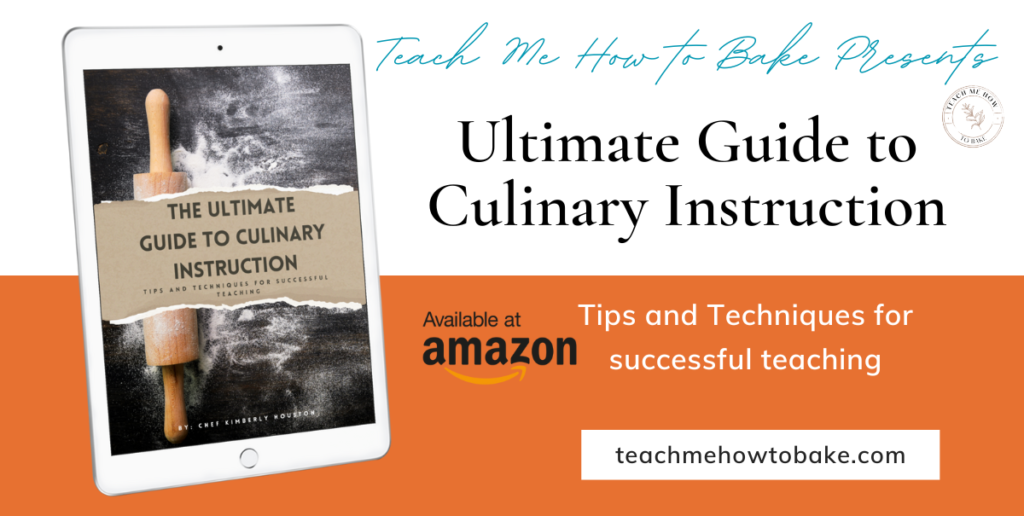
To attract students to your cake decorating classes, you need a robust marketing strategy. Consider the following channels and strategies and I highly recommend my book Ultimate Guide to Culinary Instruction for templates, email copy, etc:
Social Media
Leverage the power of social media platforms to showcase your cake decorating skills. Create enticing posts and share captivating images and videos of your creations. Highlight student success stories and testimonials to build credibility.
Professional Website
Maintain a professional website that showcases your expertise and class offerings. Include detailed course descriptions, schedules, pricing, and registration information. A well-designed website instills confidence in potential students.
Local Partnerships
Collaborate with local bakeries, event planners, or culinary schools for referrals. Building partnerships within the local culinary community can help you tap into a network of potential students.
Email Marketing
Create an email list of interested individuals and send out newsletters and updates about your upcoming classes, special promotions, and cake decorating tips. Email marketing can be a powerful tool for reaching your target audience.
Open House Events
Host open house events where prospective students can visit your studio, meet you in person, and see your work up close. These events provide an excellent opportunity for direct engagement and enrollment.
8. Feedback and Continuous Improvement
As you embark on your journey of teaching cake decorating, remember that the learning process is not one-sided. Regularly seek feedback from your students to gain insights into their learning experiences. Constructive feedback can help you improve your teaching methods and course content.
Surveys and Evaluation Forms
Distribute surveys or evaluation forms at the end of each class or course. Ask students for their honest feedback on various aspects, including your teaching style, the course materials, and the overall learning experience.
One-on-One Discussions
Engage in one-on-one discussions with your students, especially those who show a keen interest in providing feedback. Encourage them to share their thoughts and suggestions openly.
Adapt and Evolve
Use the feedback you receive to adapt and evolve your teaching approach. Continuous improvement ensures that your classes remain relevant and appealing to current and future students.
Teaching cake decorating classes is a fulfilling venture that allows you to share your passion and expertise with a community of enthusiastic learners. By defining your niche, developing a structured curriculum, providing quality materials, and mastering effective communication, you can inspire and empower your students to become skilled cake decorators themselves. Remember, the sweetest success often comes from sharing your knowledge and creativity with others. As you embark on your teaching journey, embrace the joy of seeing your students transform into confident cake artists, ready to embark on their own sweet adventures in the world of cake decoration.
PIN for Later
